We recently supervised ground investigation for a six-storey residential block on the former docklands near the Leeds-Liverpool Canal. The made ground there, up to 4 m thick over laminated silty clays of the Tarporley Siltstone Formation, demanded reliable strength profiles at depth. That is precisely where the Standard Penetration Test (SPT) proved indispensable. By driving a split‑spoon sampler under controlled energy, we recovered disturbed samples while logging blow counts (N‑values) every metre. The data fed directly into bearing capacity calculations and settlement estimates for the piled foundation. Before mobilising the rig, we always cross‑reference with a calicatas exploratorias to validate the shallow stratigraphy, especially where historical fill may conceal obstructions. In Liverpool, where glacial till and alluvial deposits alternate unpredictably, SPT remains our primary tool for profiling strength variation with depth.
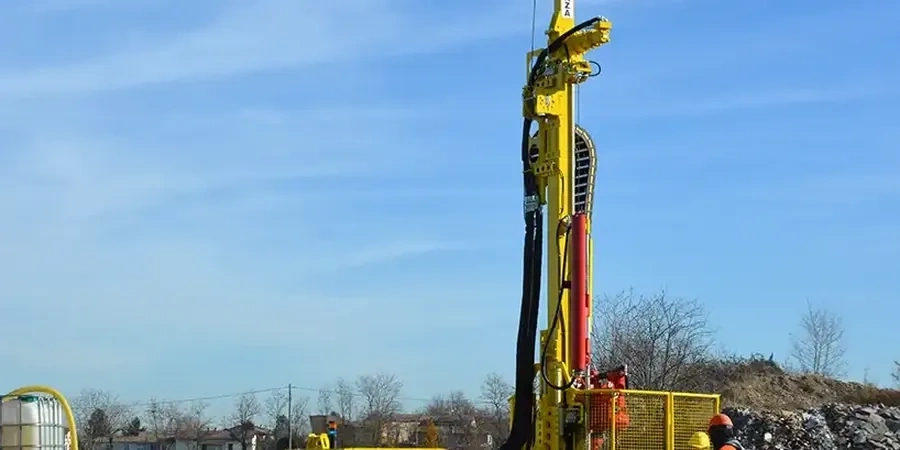
In Liverpool’s mixed glacial and made ground, SPT blow counts provide the essential stiffness profile that direct push methods cannot match.